

Just Try It (or how I learned to let go of expectations and just try new ideas.)
- August 7, 2026
- 4,964 Views
Posted by Dan Harlacher
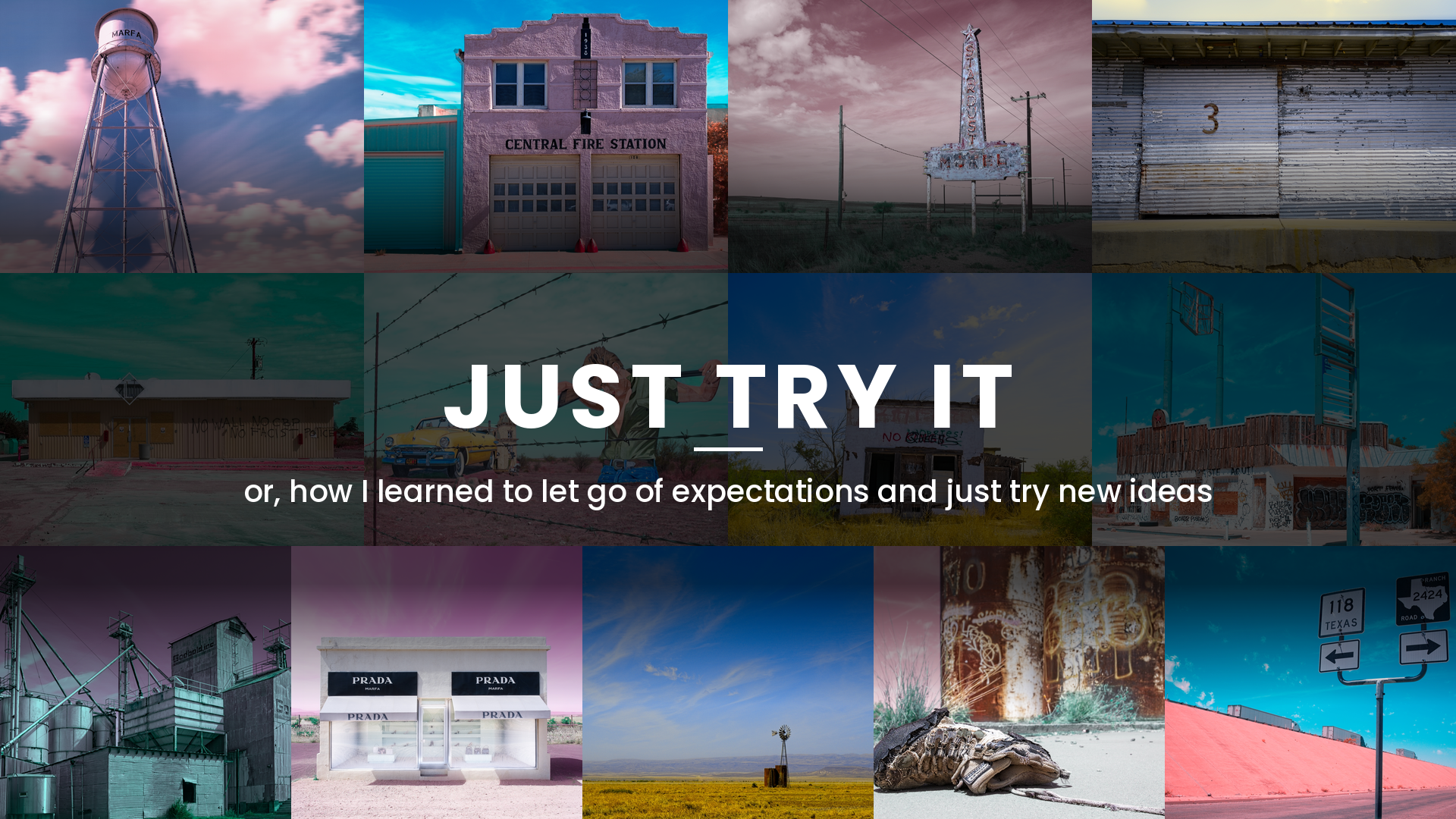
Photographing the same postcard shot everyone else takes is a creative rut. Personal projects break it without new gear. A day in Marfa, Texas, and a two-step edit in ON1 Photo RAW turned ordinary travel shots into a pop-art series I hadn’t shot before.
You feel it most when you travel somewhere new and your eye automatically reaches for the same photo everyone else has already taken. If you’ve ever been to Yosemite or New York City, you know exactly what I mean. I’ve caught myself doing it plenty of times. It’s hard to see something with your own eyes when a hundred other photographers have already told you how to see it.
Breaking the Pattern: Why Personal Photography Projects Matter
Personal projects are one of the best ways I’ve found to break that pattern. I have a long-running series of photographs of urinals. Don’t worry, I’m not sharing those today. They can be interesting, disgusting, and every once in a while, accidentally artistic. I don’t plan to ever do anything with the series, but it keeps my eye loose and reminds me that not every photo needs a plan or a purpose beyond curiosity.
Sometimes all it takes is a new place. A few months ago, on a trip through west Texas, I had the chance to spend a day in Marfa. Marfa is a small, bohemian art oasis in the middle of an otherwise desolate stretch of desert. It’s home to the Judd Foundation, with galleries and large-scale installations by minimalist/brutalist artist Donald Judd scattered throughout town. The whole place has this bohemian-meets-frontier-town energy you can feel just walking down the main street.
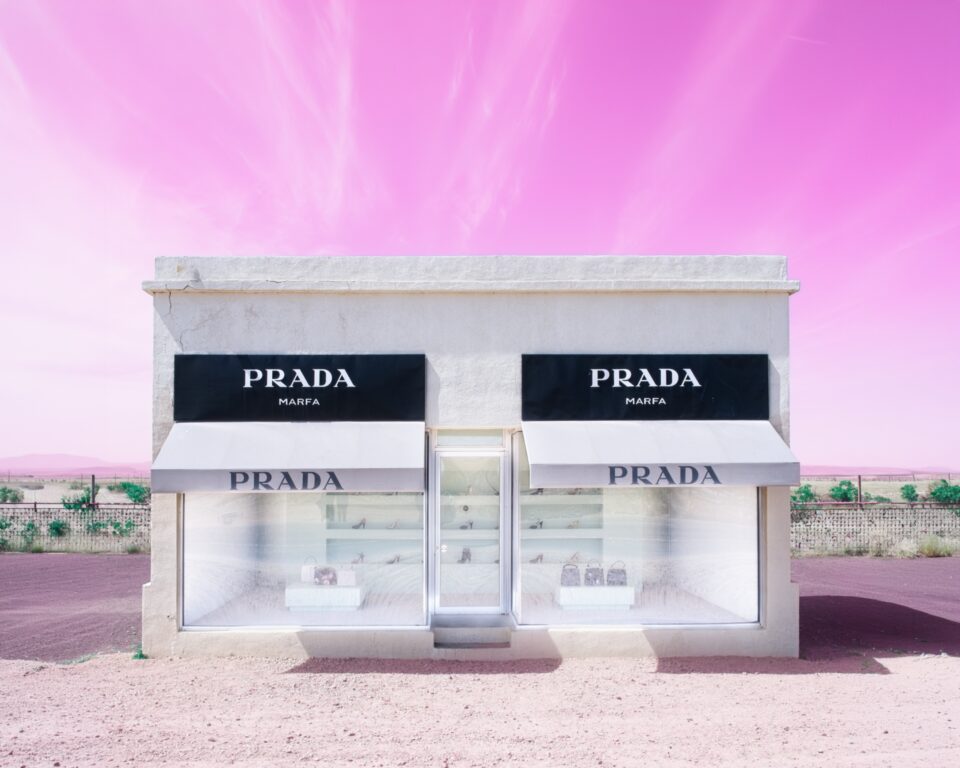
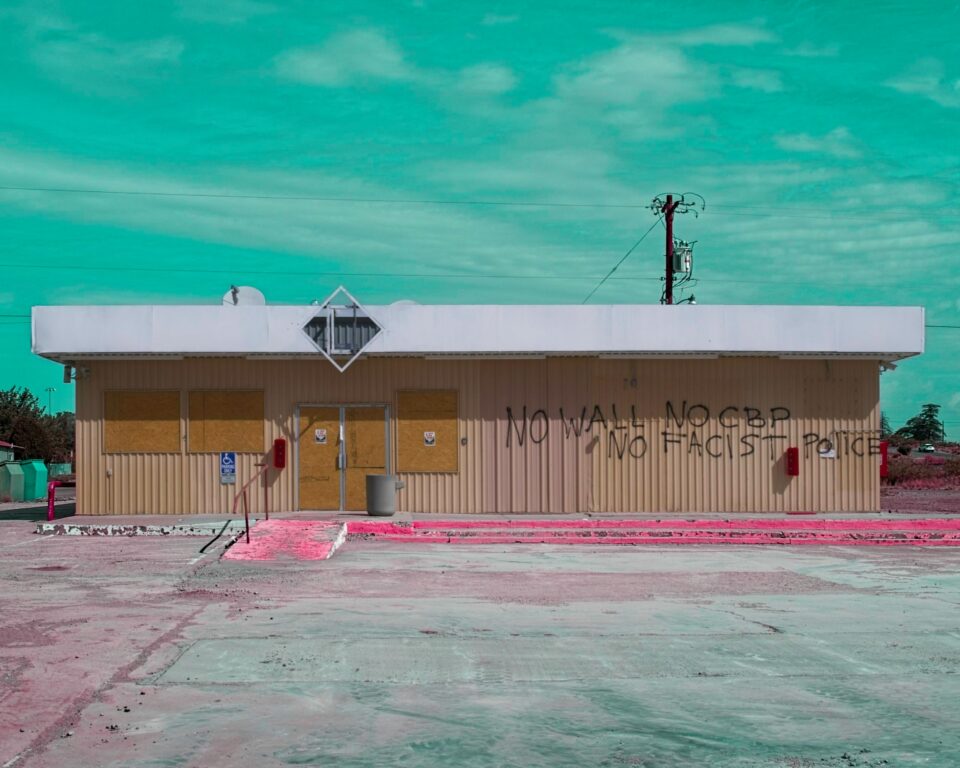
Being there pushed me to try something different. Instead of the polished, commercial-looking work I usually create, I wanted color and grit. I wanted something that leaned into pop art and let the town’s mix of architecture carry the composition. I didn’t shy away from the boarded-up storefronts and closed-down buildings. I shot them head-on and let them be exactly what they were.
The Recipe: A Pop-Art Edit in ON1 Photo RAW
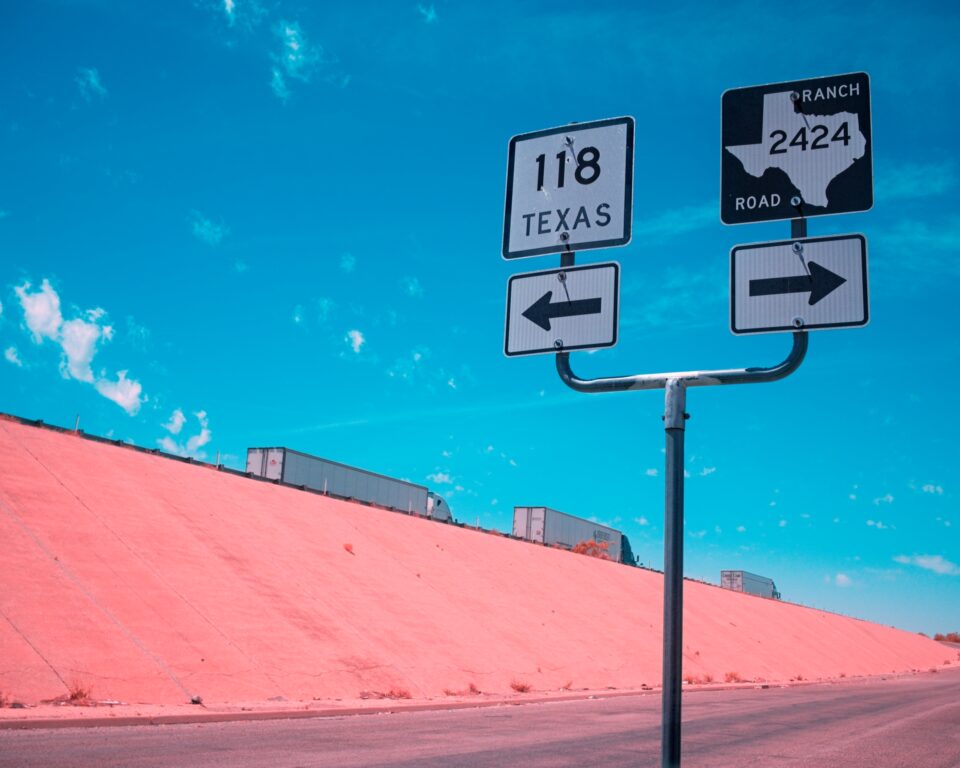
Once I had the shots, I styled them in ON1 Photo RAW using a simple two-step recipe. First, I used Super Select AI to isolate one key element in the frame and pushed dynamic contrast on it. Then I inverted that mask and applied a Channel Mixer filter to the rest of the image – that’s what gives these shots their pop-art, false-color look: blown-out pinks, teal skies, that saturated western light gone slightly wrong in the best way.
They don’t look like anything I’ve shot before. That was the whole point.
If you want to try this same recipe on your own photos, ON1 Photo RAW is free to try for 30 days.
Just Try It
I’m not saying you need to go find your own version of urinal photography – though if you do, I want to see it. I’m saying the next time you catch your eye reaching for the photo you already know how to take, try the other one instead. The one that doesn’t fit your style, your brand, or the expectations you’ve built for yourself over years of doing this. Worst case, you learn something about how you see. Best case, you come home with a series like this one.
What’s the project you’ve been putting off because it doesn’t “fit” what you shoot? I’d genuinely like to know – drop it in the comments.
2 Comments
David PriceAugust 8, 2026
Hi Dan
Thank you for PR 2026.5, and it’s masking.
During the summer I take advantage of the garden flowers and insects. I try to capture insects in flight, which as I have an older camera without Pro-Capture or similar. This is a bit of a challenge. As Bees and Butterflies just won’t take instructions from the photographer.
Sadly, whilst my garden may be deliberately wild life friendly, with a pond, lots of flowering plants, and small trees. There are lots of untidy backgrounds, especially in the working areas. With the best will in the world, raised vegetable beds, paths, and drying laundry, are untidy. So, Dylan’s recent video on Layers and the Quick Mask has opened up an opportunity to remove distracting backgrounds and to layer in a texture or something else. See the Gallery.
I do have one project that is currently on hold. The panorama module in PR used to allow me to capture 360 degree Vertiramas. (Vertical panoramas, floor to ceiling to floor). The insides of large buildings and/or underside of bridges and other structures can lead to interesting images. But, sadly, the Pano mode is currently not working at all well. Even relatively simple Panos can’t be done. So, I look forward to the Pano Module being fixed.
My other project bubbles under the surface, and that is collecting interesting textures. As a Camera Club photographer, I am not allowed to use other people’s textures. So I have built up my own collections of textures, which I mask in via Layers or via the Effects Filter. So again I am grateful to PR for the ease with which textures can be applied. Then adjusted with Local Adjustments, and/or Effects Filters.
Jorgie McAugust 11, 2026
I started shooting at age 6. First with dad’s Rollei, later with a cardboard Brownie. I never stopped shooting. People told me I should become a professional photographer. I improved my gear while working as a news reporter. My editor sent some of my pictures to relevant agencies, and I was paid. I became a photojournalist and was published in hundreds of small/large magazines. Income allowed me to support my family.
I taught dozens of people to become good photographers.
Throughout all those years, I learned that photographers are not the best curators of their work.
Their chosen best image was not. Being a good photographer is not about the images that we like most. It is about the passion we invest in our work.
For 3 years, I was a board member of my local ASMP chapter. I organized dozens of presentations with the top world shooters for my chapter. The attendees learned that our personal style defines the quality of our work. That’s the aim to pursue after mastering the creation of that style.
Pursue that, and you become successful. Good luck, friend photographers. ON1 is your best friend, better than any camera.
Thank you, ON1.
Please review our privacy policy for information about how we use the data we collect.